

1. Introduction: The “Wait and See” Dilemma
As a parent, you watch your child grow and change every day. You notice when they need new shoes, when they need a haircut, and when they’re struggling with math homework. But knowing when they need an orthodontist? That can be a little trickier.
Many parents assume they should wait until all their child’s baby teeth have fallen out before even thinking about braces. It sounds logical, right?
However, waiting until the teenage years can sometimes mean missing a crucial window of opportunity.
The Australian Society of Orthodontists recommends that children have their first orthodontic check-up around age 7. This might seem young, but it allows us to spot potential issues early. If you aren’t sure where to start, our guide on how to choose the best orthodontist on the Sunshine Coast is a great resource to help you find the right specialist for your family.
In many cases, we won’t need to do anything but monitor their growth. But for some children, early intervention (often called Phase 1 treatment) can prevent serious problems from developing, avoiding the need for complex jaw surgery or tooth extractions later in life.
So, what should you be looking for at home? Here is a simple parent’s guide to the 5 early signs that your child might need an orthodontic assessment.
2. Sign 1: Early or Late Loss of Baby Teeth
Baby teeth act as “space savers” for the permanent teeth waiting underneath gums. While every child is different, there is a general timeline for losing them.
- Losing them too early: If a child loses a baby tooth prematurely (due to decay or an accident), the surrounding teeth can drift into the empty space. This blocks the permanent tooth from coming through properly.
- Losing them too late: If baby teeth refuse to budge, permanent teeth might erupt in the wrong place—often behind the baby teeth (creating a “shark tooth” appearance).
If your child’s tooth fairy visits seem very irregular compared to their peers, it’s worth a check-up.
3. Sign 2: Crowding and Misplaced Teeth
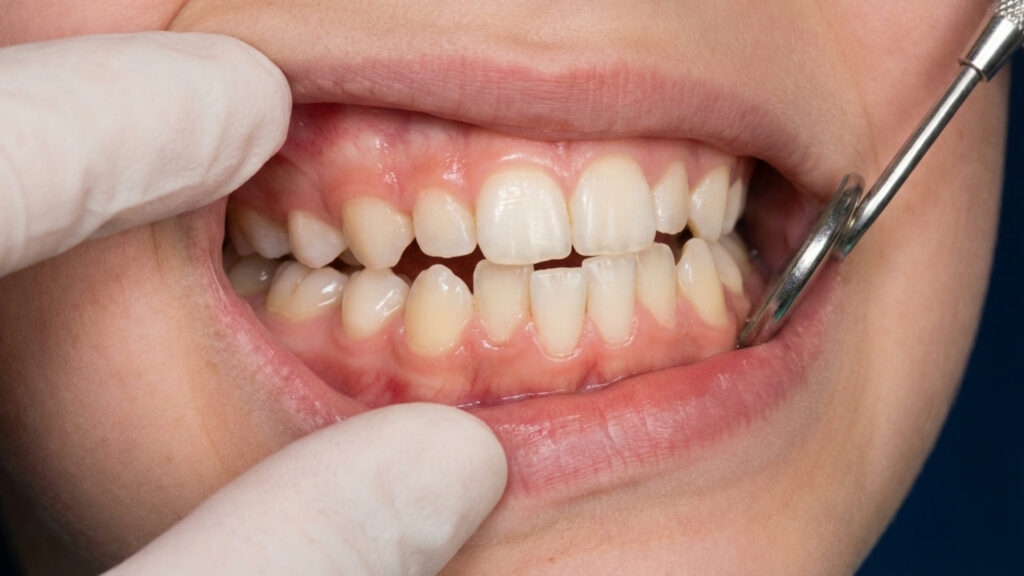
This is often the most obvious sign for parents. You might notice that as the new, larger adult teeth come through, they seem to be fighting for space.
- Crowding: If the new teeth are turning sideways, overlapping, or bunched up, it usually indicates that the jaw isn’t wide enough to accommodate them. Beyond looks, crowded teeth are harder to clean, which is why better oral health is a top benefit of orthodontic treatment.
- Spacing: Conversely, huge gaps between teeth that don’t seem to be closing can also be an issue.
How Early Treatment Helps: We can use simple appliances (like palatal expanders) to gently widen the upper jaw while it is still growing. This creates the necessary room for adult teeth to erupt naturally, potentially reducing the time they will need in braces as teenagers.
4. Sign 3: Mouth Breathing and Snoring
This is a sign that surprises many parents. Did you know that how your child breathes is directly linked to the development of their jaw and face?
If you notice your child:
- Consistently breathes through their mouth instead of their nose.
- Snores loudly at night.
- Grinds their teeth while sleeping.
It could indicate an airway issue. Chronic mouth breathing can actually alter the shape of a growing child’s face, leading to a long, narrow face and a narrow upper jaw. An orthodontist can assess if the jaw structure is contributing to these breathing issues.
5. Sign 4: Protruding Teeth (“Buck Teeth”)
If your child’s upper front teeth stick out significantly, they are at a much higher risk of dental trauma. A simple fall on the playground or a bump during sports can easily chip or fracture these protruding teeth.
Early treatment can gently guide these teeth back into a safer position, protecting their smile while they play and grow.
6. Sign 5: Bite Issues (Underbites, Overbites, and Crossbites)
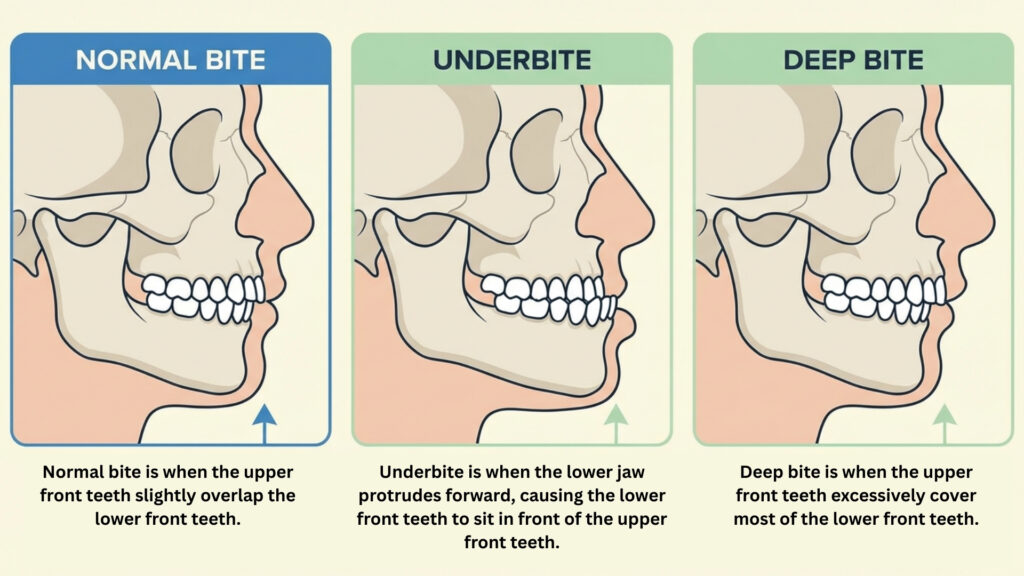
Have a look at how your child’s teeth come together when they bite down.
- Crossbite: Does the upper jaw fit inside the lower jaw on one side? This can cause the jaw to shift to one side, leading to uneven growth.
- Underbite: Do the lower front teeth sit in front of the upper teeth? This is a jaw growth issue that is much easier to correct while the bones are still developing.
- Deep Overbite: Do the top teeth completely cover the bottom teeth? Correcting these bite issues early is crucial for long-term function.
Catching these bite misalignments early is the key to Phase 1 treatment. We can guide the growth of the jaw to correct the bite foundation before it sets.
7. Conclusion: Peace of Mind is Just a Visit Away
If you notice any of these signs, don’t panic. It doesn’t necessarily mean your child needs braces right now. It simply means it is the right time for an assessment.
Think of an early orthodontic visit as a “growth check” for their smile.
At our Sunshine Coast clinic, our goal with early treatment is simple: to make your child’s future treatment easier, shorter, and less invasive. Sometimes, the best treatment is simply monitoring them as they grow. And if you are worried about the future investment, we have a detailed guide on how much orthodontic braces cost in Australia to help you plan ahead.
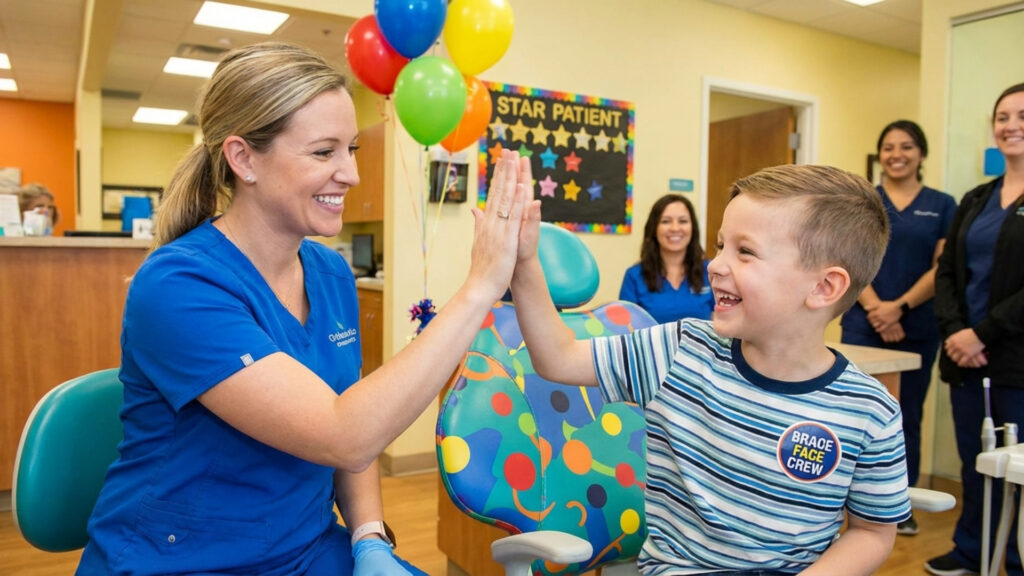
Is your child approaching age 7, or have you spotted one of these signs? Contact our friendly team today to schedule an early orthodontic assessment. Let’s set their smile up for success from the very start.