

1. Introduction: The High School Milestone
For generations, the transition into high school has been synonymous with a specific rite of passage: getting braces. It was simply a part of growing up—something you did between Year 7 and Year 10. However, the world of orthodontics has undergone a technological revolution. Today’s teenagers aren’t just looking for straight teeth; they are looking for a treatment that fits their increasingly busy, social, and “on-camera” lifestyles.
As a parent, you want the absolute best clinical result for your child’s smile. You want to ensure that the investment you make now sets them up for a lifetime of dental health. But you also have to balance that with their daily reality—sports, musical instruments, school photos, and the ever-present world of social media.
At our Sunshine Coast practice, we believe in empowering families with information. Choosing between traditional metal braces and modern clear aligners (like Spark Aligners) isn’t just about the hardware; it’s about choosing the right path for your teen’s unique personality and lifestyle.
2. Traditional Metal Braces: The Reliable Classic
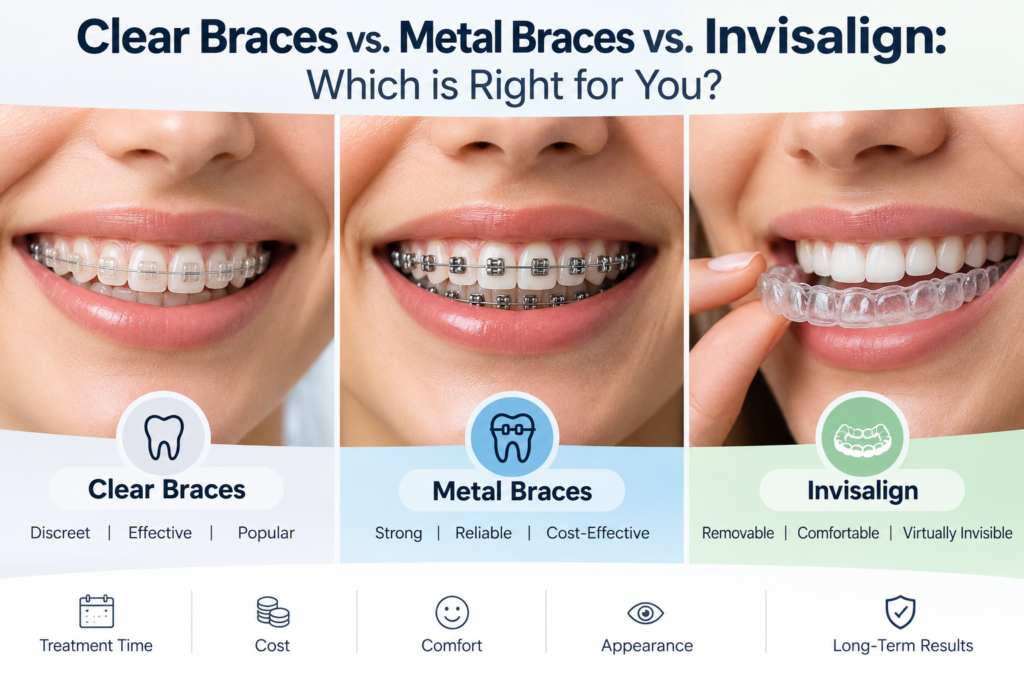
When people think of “braces,” they usually think of the stainless-steel brackets and wires that have been the backbone of orthodontic treatment for decades. But modern metal braces are a far cry from the bulky “train tracks” of the past. Today’s brackets are significantly smaller, lower-profile, and much more comfortable.
The Reliability of Fixed Appliances
The biggest advantage of traditional braces is that they are a “fixed” appliance. They are bonded to the teeth, meaning they work 24 hours a day, 7 days a week, without your teen needing to do anything. For parents, this offers a certain peace of mind—there are no aligner trays to lose in a school cafeteria and no “compliance” issues to worry about.
The “Fun” Factor: Personalisation
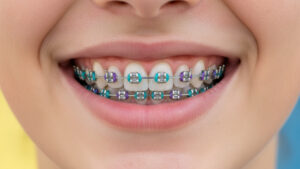
Interestingly, many younger teens actually prefer metal braces because of the customisation. They can choose different coloured elastic bands at every appointment, matching their school colours, their favourite sports team, or even seasonal themes. It turns a medical treatment into a form of self-expression.
The Challenges
The trade-off for this reliability is a list of dietary restrictions. Hard, sticky, or crunchy foods (like popcorn, hard lollies, or whole apples) can break brackets and stall treatment. There is also a steeper learning curve for hygiene; your teen will need to learn how to brush and floss around the wires to maintain better oral health during treatment.
3. Clear Aligners: The Discreet Modern Alternative
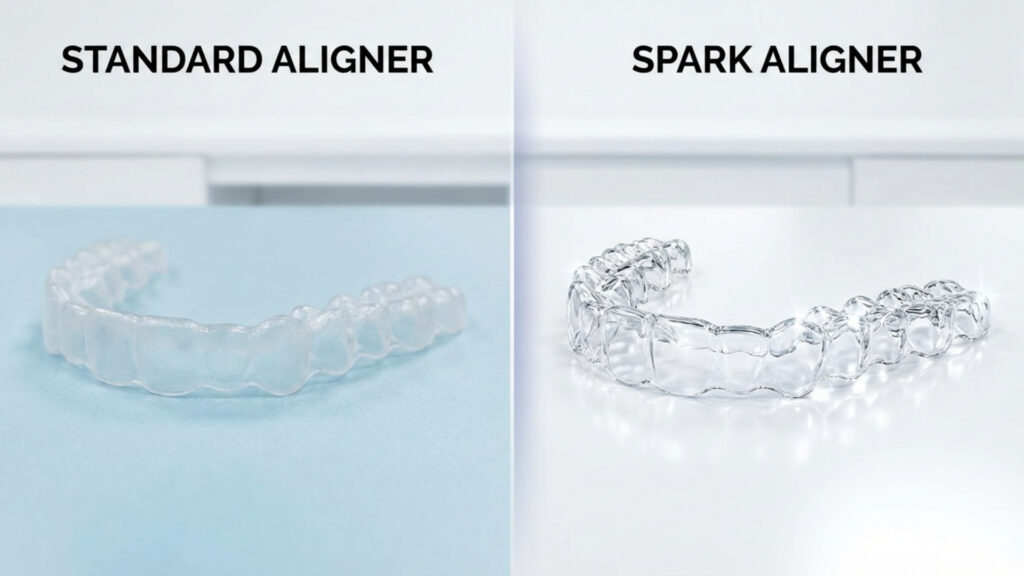
For many teens, the idea of “invisible” treatment is incredibly appealing. Spark Aligners have become a leading choice at our clinic because they offer a level of discretion that traditional braces simply cannot match.
Discretion and Confidence
High school is a time of self-discovery, and for some teens, the visibility of braces can lead to self-consciousness. Clear aligners are virtually undetectable in person and in photos. Whether it’s for a debutante ball, a sporting trophy presentation, or daily TikTok videos, aligners allow your teen to straighten their teeth “under the radar.”
Unrestricted Lifestyle
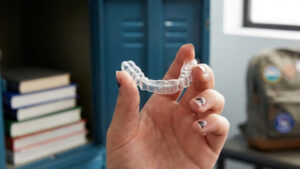
Because aligners are removable, the “forbidden foods” list disappears. Your teen can take their trays out to enjoy a meal, meaning they can continue to eat their favourite foods without the risk of breaking an appliance. Furthermore, for teens who play contact sports or wind instruments, the lack of metal brackets means fewer mouth sores and no “poking wires.”
The Compliance Factor
The “removable” nature of aligners is their greatest strength, but also their greatest weakness. For the treatment to be effective, they must be worn for 22 hours a day. If your teen is prone to losing things or lacks the discipline to put the trays back in after lunch, traditional braces might actually be the faster, more successful option.
4. Lifestyle Deep-Dive: Sports, Music, and Socialising
When making the choice, it’s helpful to look at your teen’s weekly schedule.
- The Athlete: If your child plays high-impact sports like rugby or basketball, clear aligners act as a thin protective layer over the teeth. While they still need a proper mouthguard, aligners generally cause fewer “lip lacerations” during a collision compared to metal brackets.
- The Musician: For students playing the flute, trumpet, or saxophone, metal braces can sometimes require a significant adjustment to their “embouchure” (the way they apply their mouth to the instrument). Aligners are often much easier for woodwind and brass players to adapt to.

- The Social Butterfly: If your teen is highly active on social media or is involved in drama and performing arts, the “invisible” nature of Spark Aligners ensures their treatment doesn’t distract from their performance.
5. The Digital Journey: iTero and Insignia
Regardless of whether you choose braces or aligners, the journey at our Sunshine Coast clinic starts the same way: with advanced technology. We have moved away from messy, goopy moulds and instead use iTero digital scans to create a 3D map of your teen’s mouth.
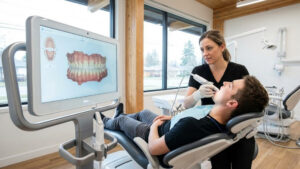
From there, Dr. Vas uses Insignia advanced smile design. This software allows us to virtually move your teen’s teeth on a computer screen before we even start treatment. This precision ensures that whether we use a bracket or an aligner, the force is applied in the most efficient way possible. You can see the potential of this technology in our before and after results gallery.
6. Parent’s Checklist: Is Your Teen Ready for Aligners?
If you are leaning toward clear aligners, ask yourself these three questions:
- Are they responsible? Do they consistently remember their sports gear, school diary, and house keys?
- Are they motivated? Do they want the treatment, or are you pushing it? Teens who are motivated to see a result are much better at wearing their trays.
- What is their diet like? If they are constant “snackers” who eat every hour, they might find the process of removing trays and brushing their teeth 10 times a day frustrating.

If you answered “no” to these, traditional metal braces are likely the better, more stress-free path for your family.
7. Conclusion: The Specialist Difference
Ultimately, both metal braces and Spark Aligners are just tools. The most important factor in your child’s treatment is the specialist orthodontist overseeing the process. A specialist has the training to recognise complex jaw growth issues that might require Phase 1 treatment or specific mechanical adjustments that a general dentist might miss.
We want your teen to finish their treatment with a smile that is not only straight but also functional and healthy for decades to come. Whether that happens through the reliability of braces or the innovation of aligners, we are here to guide you every step of the way.