


Removing your final set of clear aligners marks an exciting milestone in your dental journey. After months of dedication, you finally have the straight, confident smile you worked so hard to achieve. However, completing your active alignment phase does not mean your treatment is entirely finished.
To protect your investment and keep your teeth perfectly aligned, you must transition to the retention phase. This requires the daily use of a dental orthodontic retainer. Many patients underestimate the importance of this final step, assuming their teeth will naturally stay in place forever. Unfortunately, dental anatomy tells a different story.
This guide explores why retention is critical, the different types of devices available, and how proper care ensures your stunning smile lasts a lifetime.
What is a Dental Orthodontic Retainer?
A dental orthodontic retainer is a custom-made dental appliance designed to hold your teeth in their correct alignment after you complete active orthodontic treatment. While braces and aligners actively push and pull your teeth into new positions, a retainer does exactly what its name implies: it retains them.
Orthodontists create these devices using precise molds or 3D digital scans of your newly straightened teeth. Because every mouth is unique, your device fits snugly against your dental arch, preventing any unwanted movement. Depending on your specific clinical needs, your orthodontist will prescribe either a fixed or removable device to protect your orthodontic treatment results.
Why Retainers Are Essential After Invisible Braces
Understanding why you need a retainer requires a quick look at how your teeth actually move. Your teeth do not sit fixed in solid bone. Instead, an elastic network of tissue called the periodontal ligament holds them in place.
During your invisible orthodontics treatment, the clear aligners stretch these ligaments and gently remodel the surrounding jawbone to allow the teeth to move. When you finish treatment, those ligaments act like stretched rubber bands. They naturally want to contract and pull your teeth back to their original, crooked positions.
A dental orthodontic retainer holds the teeth firmly in place while the surrounding bone hardens and the periodontal ligaments fully stabilize. Without this crucial support, your teeth will inevitably drift. Wearing your retainer gives your mouth the necessary time to adapt to its new structural reality.
Types of Orthodontic Retainers
Orthodontic technology offers several effective retention methods. Your dental provider will recommend the best option based on your original bite issues and lifestyle preferences.
Fixed Retainers
Also known as permanent or bonded retainers, these consist of a thin stainless steel wire. A dentist bonds this wire directly to the back of your front teeth using dental cement.
- Pros: You never have to remember to put it in, making it highly effective for preventing lower front teeth from shifting.
- Cons: Flossing requires a threader, and plaque can build up around the wire if you do not brush carefully.
Removable Retainers
The traditional removable option is the Hawley retainer. It features a custom acrylic piece that rests against the roof or floor of your mouth, attached to a metal wire that wraps around the front of your teeth.
- Pros: They are incredibly durable and adjustable. If your teeth shift slightly, an orthodontist can tighten the wire to correct them.
- Cons: The metal wire is highly visible when you smile or speak.
Clear Retainers
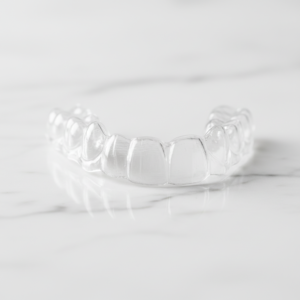
A clear aligner retainer (often called an Essix retainer) looks virtually identical to the invisible braces you just finished wearing. It is made of transparent, heavy-duty plastic molded perfectly to your teeth.
- Pros: They are completely invisible, comfortable, and hold the teeth securely in exact alignment.
- Cons: They require strict daily cleaning and need replacement every few years as the plastic naturally wears down.
Benefits of Wearing a Retainer
Committing to retainers after braces provides significant benefits that extend far beyond aesthetics.
First, it protects your financial investment. Straightening your teeth requires time, patience, and money. Wearing your retainer guarantees that this investment yields lifelong returns. Second, it maintains your newly corrected bite. A proper bite ensures you chew your food effectively, prevents uneven wear on your tooth enamel, and reduces tension in your jaw joints.
Finally, maintaining straight teeth supports better overall oral health. Overlapping and crowded teeth create hidden pockets where plaque and bacteria thrive. By keeping your teeth perfectly aligned, you make daily brushing and flossing much easier, dramatically reducing your risk of cavities and gum disease.
What Happens If You Don’t Wear a Retainer?
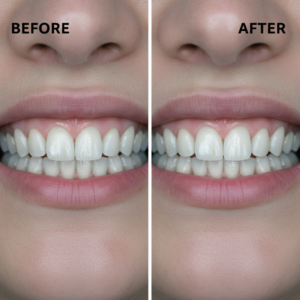
Failing to wear your retainer leads to a condition known as “orthodontic relapse.” Because your teeth have a strong memory of their original positions, they will begin shifting almost immediately.
Within the first few weeks of skipping your retainer, you might notice small gaps reappearing or minor overlapping of your front teeth. Over a few months or years, this shifting can become severe. Once your teeth drift too far, your retainer will no longer fit. The only way to correct a significant orthodontic relapse is to undergo a completely new round of invisible braces, costing you additional time and money.
Tips for Maintaining Your Retainer
If you use a removable device, proper maintenance is essential for your oral hygiene. Bacteria and plaque will accumulate on the material just as they do on your natural teeth. Follow these simple tips to keep your device fresh and effective:
- Clean it daily: Brush your clear aligner retainer every time you take it out. Use a soft-bristled toothbrush and lukewarm water. Avoid using standard toothpaste, as the abrasive ingredients can scratch the plastic and make it look cloudy.
- Avoid heat: Never wash your retainer in hot water, run it through the dishwasher, or leave it in a hot car. High temperatures will warp the plastic, ruining the custom fit.
- Store it safely: When your retainer is not in your mouth, it belongs in its protective case. Wrapping it in a napkin during meals often leads to it being accidentally thrown in the trash.
- Use specialized cleaners: Soak your retainer once a week in an orthodontist-approved cleaning solution or denture tablet to kill lingering bacteria and remove stubborn calcium deposits.
Conclusion
Completing your clear aligner therapy is a massive achievement, but retention is the crucial final phase of your treatment. A dental orthodontic retainer is the only proven way to stop your teeth from shifting back to their old positions.
By understanding the importance of your retainer and committing to a consistent wear schedule, you protect your oral health and secure your investment. Keep your regular check-ups with your dental professional, maintain your daily cleaning routine, and enjoy the confidence of a perfectly straight, beautiful smile for decades to come.
Frequently Asked Questions
How long do I need to wear a dental orthodontic retainer?
You will need to wear a retainer for the rest of your life. Initially, your orthodontist will likely instruct you to wear it for 22 hours a day. After the first several months, you can usually transition to wearing it only at night while you sleep.
Can I just use my last invisible aligner tray as a retainer?
No. Active aligner trays use thinner plastic designed for short-term wear (usually one to two weeks). Retainers use a much thicker, more durable medical-grade plastic designed to withstand months or years of continuous use.
Do orthodontic retainers hurt?
A retainer should never cause actual pain. You might experience a tight, slightly sore feeling for the first few days as your mouth adjusts. If your retainer feels painfully tight when you put it in at night, it usually means you need to wear it more often to stop your teeth from shifting during the day.
How often do I need to replace my clear aligner retainer?
Clear plastic retainers generally last between one and three years, depending on how well you care for them and whether you grind your teeth at night. If you notice cracks, holes, or a loose fit, you should contact your dentist for a replacement immediately.